
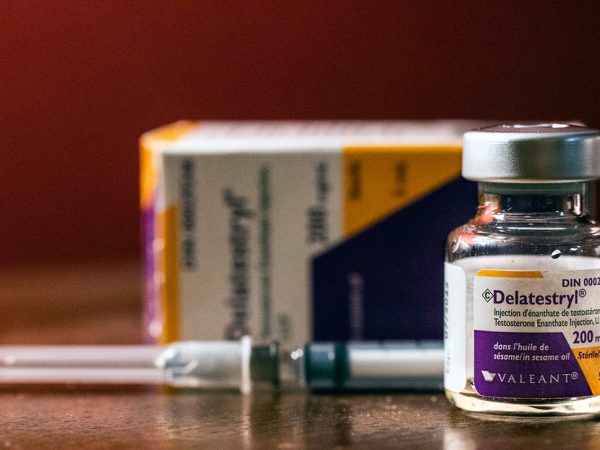
Testosterone injections are a form of testosterone replacement therapy (TRT) that can help improve the symptoms of hypogonadism, a condition where the body is unable to produce enough testosterone.
Testosterone injections can also help improve the quality of life in men suffering from low testosterone levels. But many people wonder if testosterone injections hurt. In this article, we’ll answer this question and discuss other important topics related to testosterone injections.
What are Testosterone Injections?
Testosterone injections are a type of TRT that involves giving testosterone to the body either through intramuscular or subcutaneous injections.
Testosterone shots can help increase the levels of testosterone in the body and reduce the symptoms of hypogonadism.
Testosterone injections are usually given in the form of a long-acting ester such as testosterone enanthate or testosterone cypionate.
Testosterone injections are often prescribed for men with low testosterone levels.
They can also be used to help improve the quality of life in men with hypogonadism. Testosterone injections are generally safe but should only be used under the guidance of a doctor.
What to Expect from Testosterone Injections
Before getting a testosterone injection, you should talk to a doctor about the potential risks and benefits. Your doctor can also help you decide if testosterone injections are right for you.
If you decide to get testosterone shots, you should expect to receive an injection every two to three weeks. The frequency of injections can be adjusted based on your individual needs and your doctor’s recommendations.
You should also expect that you may need to get multiple injections before you start to see the desired results. It may take up to a few months before you start to notice any significant changes in your symptoms.
How Do Testosterone Injections Work?
Testosterone injections work by introducing testosterone into the body. The testosterone is then absorbed into the bloodstream and binds to androgen receptors.
This stimulates the production of other hormones, such as luteinizing hormone (LH) and follicle-stimulating hormone (FSH). These hormones then stimulate the production of testosterone in the testes.
The testosterone produced in the testes then circulates throughout the body, helping to increase testosterone levels and reduce the symptoms of hypogonadism.
Does a Testosterone Injection Hurt?
For most people, a testosterone injection does not hurt. The injection site may be slightly sore for a few days after the injection, but this is usually only a mild discomfort that should go away on its own.
The injection itself is usually very quick and relatively painless. Some people may experience a slight pinch when the needle goes in, but it should not be painful.
Side Effects of Testosterone Injections
Although testosterone injections are generally safe, there are some potential side effects that you should be aware of. These can include changes in blood pressure, an increase in blood sugar levels, and an increase in red blood cell count.
In addition, testosterone injections can cause an increase in acne, changes in libido, and an increase in aggression.
These side effects are usually mild and temporary, but it is important to talk to your doctor about any potential side effects before starting a testosterone injection regimen.
Preparing for a Testosterone Injection
Before getting a testosterone injection, it is important to make sure that you are prepared. This includes making sure that you have all the necessary supplies, such as sterile needles, syringes, and alcohol swabs.
It is also important to make sure that you are comfortable with the injection process. If you are feeling anxious or uncomfortable, it is a good idea to talk to your doctor and ask questions before getting the injection.
How to Reduce Soreness After a Testosterone Injection
Although testosterone injections are usually not painful, you may experience some soreness at the injection site. This soreness usually lasts for a few days and can be managed with over-the-counter pain relievers.

You can also reduce soreness by applying a cold compress to the injection site. Applying a cold compress can help reduce inflammation and pain. You can also apply a topical numbing cream to the injection site before the injection to help reduce any discomfort.
Common Questions About Testosterone Injections
There are many questions that people have about testosterone injections. Here are some of the most common questions and their answers:
Q: How often should I get testosterone injections?
A: The frequency of injections will depend on your individual needs and your doctor’s recommendations. Typically, testosterone injections are given every two to three weeks.
Q: Are there any risks associated with testosterone injections?
A: Testosterone injections are generally safe, but they can have some side effects. It is important to talk to your doctor about the potential risks before starting a testosterone injection regimen.
Q: How long do testosterone injections take to work?
A: It may take up to a few months before you start to notice any significant changes in your symptoms.
Conclusion
Testosterone injections are a form of TRT that can help improve the symptoms of hypogonadism. Testosterone injections are generally safe but should only be used under the guidance of a doctor.
Most people do not experience any pain from the injection, although there may be some soreness at the injection site.
If you are considering testosterone shots, it is important to talk to your doctor about the potential risks and benefits. Your doctor can also help you decide if testosterone injections are right for you.
If you have any questions or concerns about testosterone injections, it is important to get in touch with a doctor to ask a question for free.

Dr. Donald Parkers is a highly accomplished and revered medical professional with a distinguished career spanning over three decades in the field of endocrinology. His unwavering dedication to understanding the intricate workings of the endocrine system and its profound impact on human health has positioned him as a leading hormone expert and a trusted authority in his field.
Education and Training
Dr. Donald Parkers embarked on his journey in medicine by earning his Bachelor of Science degree in Biochemistry from Oxford, where he demonstrated exceptional academic prowess.
Driven by a passion for endocrinology, Dr. Miller pursued advanced training in the form of a highly competitive residency program in Internal Medicine at Hospital of Saint Marie. During this period, he showcased remarkable clinical skills and a deep understanding of the complexities of human physiology.
Specialization in Endocrinology
Fuelled by his fascination with hormones and their profound influence on health, Dr. Donald Parkers embarked on a rigorous fellowship program in Endocrinology, Diabetes, and Metabolism. Under the guidance of esteemed mentors, he delved into cutting-edge research and gained hands-on experience in the management of complex endocrine disorders.
Clinical Excellence
Dr. Donald Parkers is renowned for his exceptional clinical acumen and unwavering commitment to patient care. Patients under his care commend his compassionate approach and the personalized treatment plans he devises to address their unique hormonal needs.
His clinical practice specializes in the diagnosis and management of a wide spectrum of hormone-related conditions, including diabetes, thyroid disorders, adrenal dysfunction, and hormonal imbalances. Dr. Donald Parkers’s comprehensive approach entails meticulous evaluations, precise diagnostics, and evidence-based treatment strategies, all delivered with a patient-centric focus.